.png)

Nano-Influencers

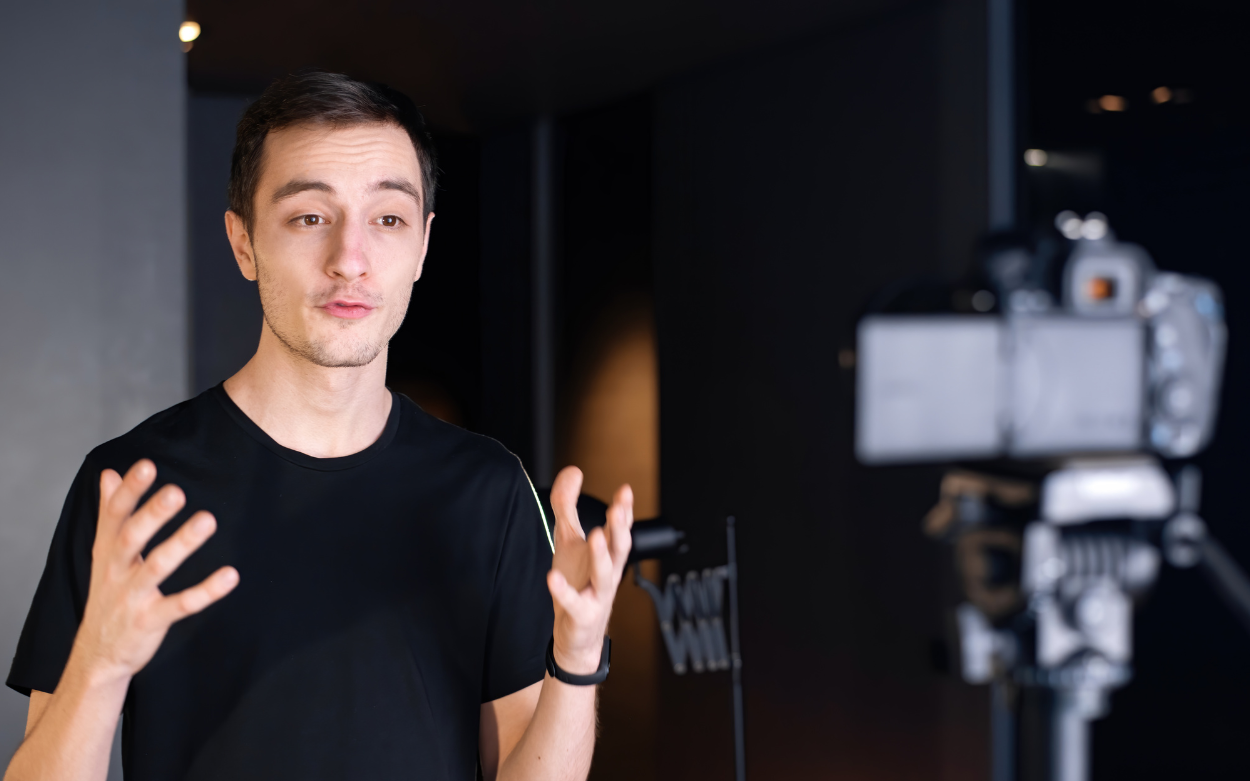
Nano-influencers are creators with small audiences, often just a few thousand followers, but the connection they have with those followers tends to run deep. Brands used to chase big numbers first. Increasingly, they are asking whether a smaller, closely connected audience performs better than a large one that barely pays attention.
What Counts as a Nano-Influencer
The label generally covers creators with anywhere from a few hundred to around ten thousand followers, though the exact range shifts depending on the platform and the industry. Above them sit micro-influencers, macro-influencers, and celebrities with reach that spans continents rather than communities. What sets nano-influencers apart comes down to focus rather than size. Their audience is usually built around one interest, one local area, or one tight community, and that is why the connection feels personal rather than broadcast.
Why Brands Like Working With Them
Smaller creators tend to know their followers by name, reply to comments, and keep the conversation going long after a post goes up. The result feels less like an advert and more like a recommendation from someone you already trust. A university study that spoke with a group of creators managing a few thousand to tens of thousands of Instagram followers found they built something close to a digital friendship with their audience, sharing enough of their lives to feel relatable without oversharing. They were also picky about which brands they worked with, choosing partnerships that matched what their audience already cared about. Sincerity turned out to matter more than reach.
Separate research into how Gen Z forms brand trust backed this up, showing that smaller creators are often seen as more genuine and closer to their community than bigger names. That same research warned trust erodes quickly once a feed feels oversaturated with ads or a sponsorship is not clearly flagged, so the goodwill nano-influencers build can vanish just as fast if it is handled carelessly.
There is a practical side too. Smaller creators usually cost less to work with, open doors into niche communities that would otherwise be hard to reach, and tend to be more open to longer term collaborations rather than a single sponsored post. Work following creators with lower thousands of followers found their audiences trusted their recommendations well above celebrity endorsements, with engagement running far ahead of larger accounts, and purchases often following a proper product demonstration.
Where They Fall Short
A smaller following means smaller reach, so a single nano-influencer campaign rarely matches the visibility of one big name. Brands often need to work with several creators at once just to get similar exposure, which takes more coordination than one large partnership. Some nano-influencers have not worked with brands before, so contracts, deadlines, and reporting can be a learning curve for both sides. Results also swing a lot from creator to creator, since so much depends on how invested their following actually is. It is worth checking the engagement is real before signing anything, because inflated followers or bought likes undo the whole point of going small.
Finding the Right Creator
A few things are worth checking before reaching out.
- Check that their usual content actually fits your brand, rather than feeling like a forced fit.
- Look at whether comments are thoughtful, not just quick likes.
- Make sure their followers look genuine and match who you are trying to reach.
- Notice how responsive, consistent, and easy to work with they are.
- Line up their values, tone, and location with your own audience.
- Ask if they can share results from past campaigns, even basic ones.
Making It Work
Start with a clear idea of what you actually want from the campaign, whether that is awareness, enquiries, or sales, before picking anyone to work with. Give the creator a clear brief, but leave room for them to say it in their own voice, since audiences can spot a script from a mile away. Put the basics in writing early, covering deliverables, timelines, payment, usage rights, and how the sponsorship should be disclosed. That last part carries more weight than it sounds, since unclear disclosure is one of the fastest ways a creator loses trust with their own audience. Product reviews, tutorials, demonstrations, event coverage, and everyday customer style content all tend to work well. Track how it is going through links, discount codes, enquiries, saves, and the quality of conversation underneath the post, not just how many people saw it.
Final Thought
Nano-influencers are not automatically the better choice. Their value depends entirely on whether their audience, content style, and relationship with followers line up with what the brand is trying to achieve.
Related Articles





ZOKKO
Studio

